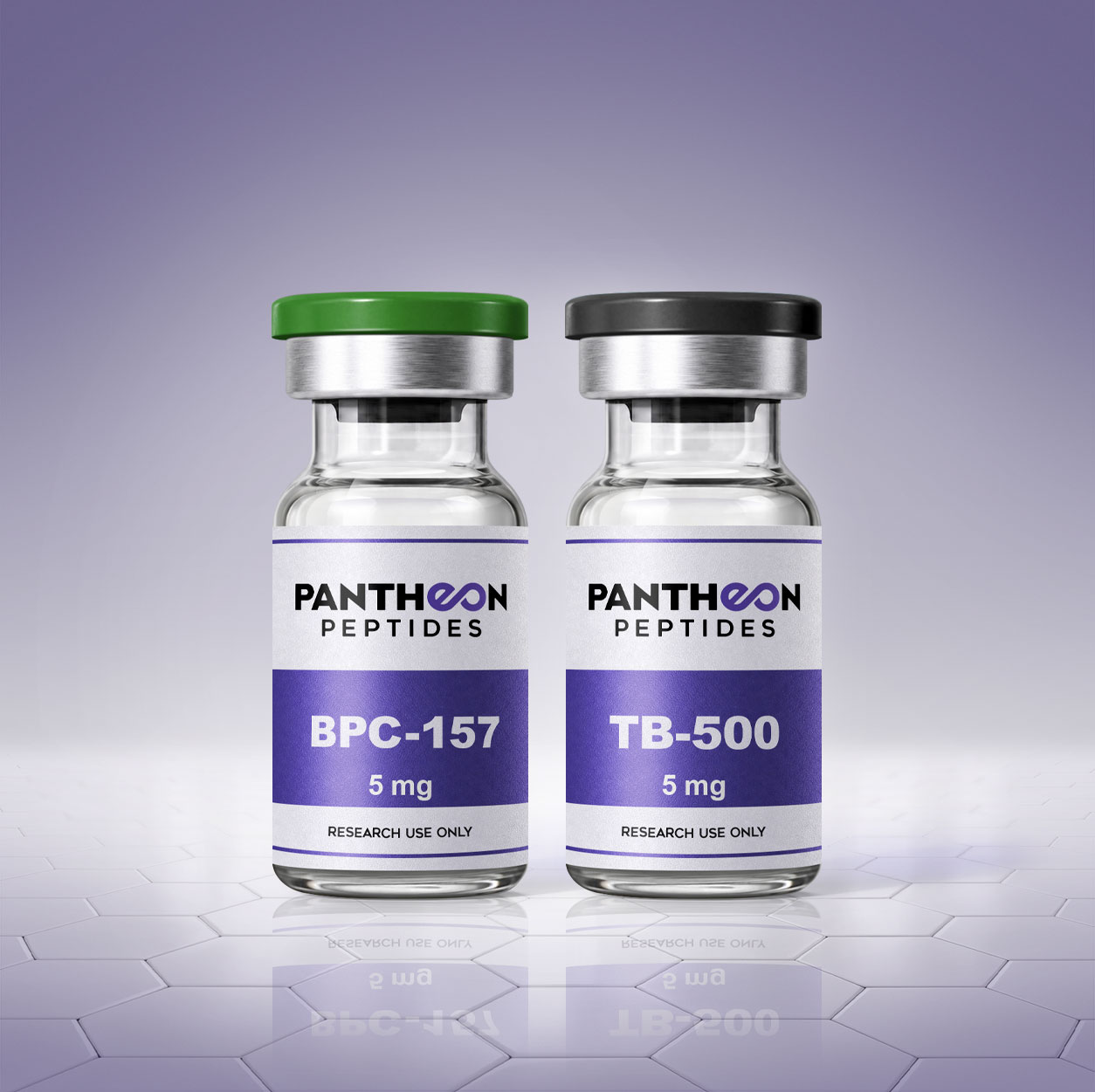
The symbiotic effect of BPC-157 and TB-500
The blend of BPC-157 and TB-500 presents a compelling solution for enhancing the body’s healing and recovery processes. Each peptide brings unique benefits that, when combined, amplify their therapeutic potential.
BPC-157 is renowned for its ability to support tissue repair, reduce inflammation, and accelerate recovery from injuries. It has been studied for its efficacy in healing muscle tears, ligament damage, and even gastrointestinal issues. TB-500 complements this by promoting cellular migration, angiogenesis, and the stimulation of growth factors critical to regeneration. Together, they address both the structural and functional aspects of healing.
This blend is particularly popular among athletes and fitness enthusiasts who demand rapid recovery and injury prevention. Beyond sports, the duo shows promise for managing chronic conditions, including joint pain and soft tissue degeneration, enabling individuals to maintain active and healthy lifestyles while minimizing downtime.
What is BPC-157?
BPC-157 is a synthetic peptide derived from a protein found in human gastric juice. Known for its remarkable healing properties, it supports tissue repair, reduces inflammation, and promotes cell regeneration. Research has shown its potential in healing muscle tears, tendon injuries, and ligaments, as well as improving gut health by addressing conditions like ulcers and inflammatory bowel disease. Additionally, BPC-157 aids angiogenesis, the formation of new blood vessels, which enhances blood flow to damaged tissues and speeds up recovery. Its versatility has garnered interest in sports medicine, chronic disease management, and regenerative therapy.
What is TB-500?
TB-500, a synthetic derivative of the naturally occurring peptide thymosin beta-4, is renowned for its regenerative and healing properties. It plays a key role in cell migration, angiogenesis, and tissue repair by promoting the production of actin, a vital protein for cellular structure and movement. TB-500 has shown potential in reducing inflammation, accelerating the healing of injuries, and improving flexibility by minimizing scar tissue formation. It is particularly popular in sports medicine and regenerative therapy for addressing tendon, ligament, and muscle injuries.
Symbiotic effect of TB-500 and BPC-157 blend
The combination of TB-500 and BPC-157 creates a synergistic effect that enhances the body’s natural healing and regenerative processes. Individually, these peptides offer significant benefits, but their combined use amplifies their therapeutic potential.
BPC-157 is renowned for its ability to repair tissues, reduce inflammation, and promote gut and musculoskeletal healing. It enhances blood vessel growth and accelerates the healing of tendons, ligaments, and muscles. On the other hand, TB-500 promotes cellular migration, angiogenesis, and tissue regeneration by increasing actin levels, a protein essential for cellular repair and structure.
Together, this duo provides a comprehensive approach to recovery by addressing both inflammation and tissue regeneration. This combination is particularly effective for athletes recovering from injuries, individuals with chronic musculoskeletal conditions, and those seeking to enhance their recovery capacity. Their complementary actions reduce downtime, enhance flexibility by minimizing scar tissue formation, and improve overall healing outcomes.
Dosage for BPC-157 and TB-500 blend
When determining the optimal dosage for BPC-157 and TB-500, several factors must be considered, including the targeted healing goals, preferred injection techniques, and the specific needs of the individual. A common approach involves starting with a cautious dosage range, typically 250-500 mcg of each peptide daily. Optimal dosages for BPC-157 and TB-500 depend on various elements such as the type and severity of the injury, personal recovery capacity, and specific recovery goals, particularly for athletes. Lower doses are often sufficient for mild injuries, whereas more significant or long-term conditions may necessitate increased amounts to facilitate effective tissue repair and recovery. Individual characteristics, including age, overall wellness, and genetic, also play a pivotal role in how one responds to peptide treatments.
Since individual responses can vary, some users may find that adjustments to the dosage are necessary, depending on their healing progress and tolerance. Subcutaneous injections are the most commonly used method, as they provide localized effects and are relatively straightforward to administer. To maximize their benefits and ensure safety, it is important to consult with a healthcare provider and follow proper guidelines
Conclusion
In conclusion, combining BPC-157 and TB-500 offers a promising approach to enhance healing and recovery through their complementary effects on tissue repair and inflammation reduction. With tailored dosing and proper administration, these peptides significantly accelerate recovery, particularly for athletes or individuals dealing with chronic injuries. It’s no wonder this powerhouse combo is often referred to as “Wolverine”—because, like the X-Men character, it’s all about healing fast and bouncing back stronger than ever!